Just to clarify, the three numbers at the pump (87, 91, 93 I think?) are the octane rating which the other comments explained. The ethanol content is the sticker that says “may contain up to 10% ethanol”. This post is about increasing that percentage of ethanol in regular gas, which as other comments explained mostly just makes the gas less efficient.
E85 is 85% ethanol and 15% gas, basically the reverse of regular gas.
At elevations above 3,500 feet, the air is less dense, which affects how engines combust fuel. Because of this, the risk of engine knocking — where fuel combusts prematurely — is lower at higher altitudes. This allows vehicles to safely run on lower-octane fuel without facing performance issues.


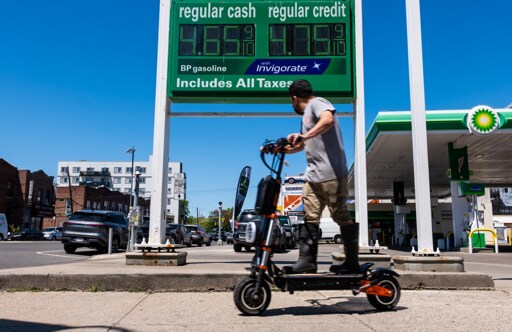
Just to clarify, the three numbers at the pump (87, 91, 93 I think?) are the octane rating which the other comments explained. The ethanol content is the sticker that says “may contain up to 10% ethanol”. This post is about increasing that percentage of ethanol in regular gas, which as other comments explained mostly just makes the gas less efficient.
E85 is 85% ethanol and 15% gas, basically the reverse of regular gas.
Fun fact, if you go somewhere with high elevation your going to see lower octane ratings. Colorado for example. https://www.slashgear.com/1825420/colorado-85-octane-gas-reason-substitute-87/
That is, and I say this completely sincerely, both the coolest and most fun fact I’ve learned all week. Thanks for sharing!